
ISO 45001 · Energy and engineering contractors
ISO 45001 Consultancy for Energy & Engineering Contractors
A staged ISO 45001 programme for contractors in the energy and engineering supply chain, built around site risk, contractor control and the evidence clients and certification bodies expect.
- Practising HSE adviser on major energy installations
- NEBOSH qualified, TechIOSH
- Consultancy, not certification
- Remote, on-site or blended delivery
Who this is for
This service is for contractors that work in and around energy infrastructure: substation and civil engineering contractors, cabling and electrical installation firms, equipment manufacturers with site installation teams, maintenance and testing contractors, and specialist engineering businesses supplying the utilities and their principal contractors.
These organisations face a particular mix of demands. Their people work on client sites under client rules, often alongside other contractors, frequently away from their own premises. A management system written for an office or a single factory does not fit that pattern.
What the work covers
Initial gap assessment
The assessment looks at how the organisation actually works, not only at its documents. It covers leadership and responsibilities, how risks are identified on new sites, how competence is checked, how subcontractors are selected and monitored, how incidents are investigated and how the business learns from them. Each finding is graded so effort goes where it matters most.
Management-system scope and context
Clause 4 of ISO 45001 asks the organisation to understand its context, the needs of interested parties and the scope of its system. For an energy contractor this means deciding how site activities, depots, fabrication workshops and mobile crews sit within the system, and recognising client and principal contractor requirements as part of the context.
Hazard identification and risk management
Energy contractors need risk assessment that works at two levels: generic assessments for recurring activities, and a reliable process for site-specific assessment where conditions differ. Typical hazards include lifting operations, work at height, excavation near buried services, work near energised equipment, plant movements, and lone or remote working.
Legal and other requirements
The system needs a maintained register of the legal requirements that apply, for example the Electricity at Work Regulations 1989, CDM 2015, LOLER and PUWER, and a way of evaluating compliance. Client safety rules, framework requirements and principal contractor standards are “other requirements” and belong in the same register.
Worker consultation and participation
ISO 45001 places particular weight on consultation and participation of workers, including non-managerial workers. For dispersed site teams that needs practical channels such as toolbox talks with recorded feedback, crew representatives and a simple way to raise concerns from site.
Contractor and procurement controls
Selection, approval and monitoring of subcontractors and suppliers, with health and safety criteria built in. This is often the area where growing contractors have the largest gap.
Operational planning and control
RAMS, permits, briefings, supervision and management of change, connected so that a change on site triggers a review of the controls it affects.
Emergency preparedness
Arrangements that work on remote and client sites: first aid, rescue from height or confined spaces where relevant, incident reporting, and alignment with the client’s own emergency procedures.
Competence and training arrangements
A competence framework by role, with training, card schemes, authorisations and refresher dates tracked. Records can be kept in your existing systems or in Featherstone Safety Hub if a ready-made platform is useful.
Internal auditing and management review
An internal audit programme proportionate to the business, and a management review that uses real performance information. Where Featherstone Safety has implemented the system, we will be open about the limits on auditing our own work and agree how impartiality is maintained, for example by training your own auditors or by you appointing a separate auditor for parts of the programme.
Certification preparation
Certification is awarded by an independent certification body, ideally one accredited by UKAS, normally after a two-stage audit. We help you choose a certification body, prepare the evidence and brief your people. Certification is never guaranteed, and the decision rests with the certification body.
Post-implementation support
After certification, the work is keeping the system alive: audits, reviews, updates for new contracts and legislation, and preparation for surveillance visits.
Relevant infrastructure experience
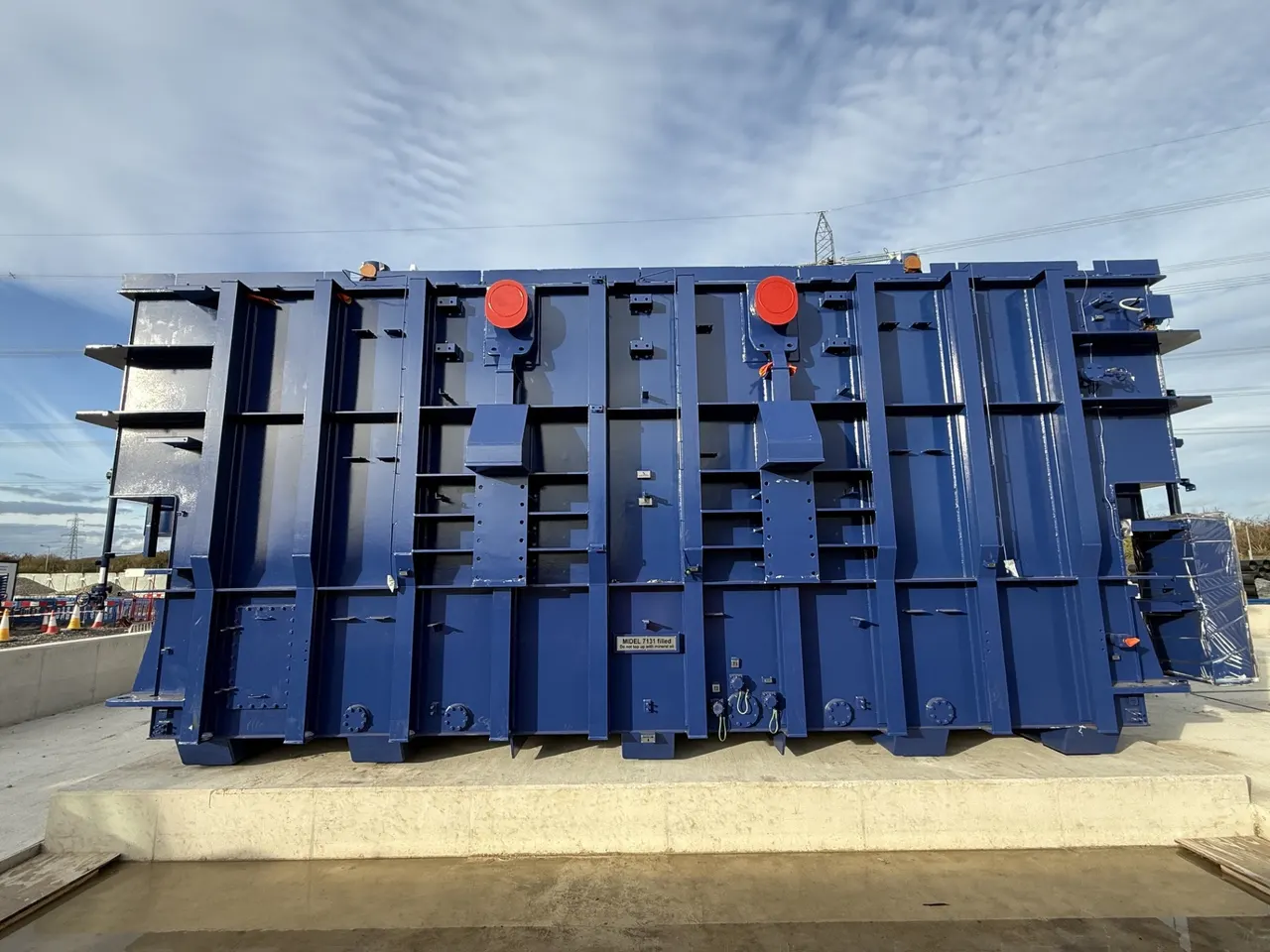
Featherstone Safety’s ISO work is informed by site experience in the sector. We have provided independent HSE advisory and observation support during two super grid transformer installations, working alongside HD Hyundai Electric and Collett Transport, and we understand how contractor arrangements are tested on a live energy project.

First engagement
300 tonne super grid transformer delivery and installation
Independent advisory and observation support through delivery, transfer on a 550 tonne girder bridge transport system, skidding and final positioning.

Repeat appointment
Requested back for a second major transformer installation
Advisory support through heavy transport, temporary support, SPMT movement, skidding and hydraulic lowering, with daily safety reports and photographic records.
Both engagements were alongside HD Hyundai Electric and Collett Transport. Featherstone Safety observed and advised. It did not plan, direct or control the operations. Client, site and programme details are withheld.
Questions buyers ask
How does ISO 45001 support engineering contractors?
It gives a structured way to manage health and safety across every site and contract, rather than relying on each project manager’s approach. For engineering contractors the most valuable parts are usually consistent site risk assessment, defined competence and supervision, formal control of subcontractors, management of change, and a learning loop from incidents and audits. Certification then gives clients independent evidence that the system exists and operates.
What does an ISO 45001 gap assessment involve?
A review of current arrangements against each requirement of the standard, using documents, interviews and observation of how work is actually planned and controlled. The output is a prioritised list of gaps and a realistic roadmap, so you know the scale of the work before committing to implementation. A gap assessment is a consultancy review, not a certification audit.
How long does ISO 45001 implementation take for a contractor?
It depends on the starting point, the number of sites and how much resource the business can give it. Organisations with established safety arrangements move faster than those starting from little. The gap assessment produces a timeline specific to you. Our guide on how long ISO 45001 certification takes explains the stages in more detail.
Will our clients’ safety rules conflict with our ISO 45001 system?
They should not. A well-designed system treats client rules and framework requirements as other requirements and shows how your procedures interface with them. Your system governs how you plan, resource and control your own work, within the client’s rules.
Specialist project enquiry
Request an ISO 45001 project consultation
Tell us about your organisation, your sites and what is driving the need for ISO 45001. We will suggest a sensible starting point, usually a gap assessment.
Helpful details to include
- What your organisation does and where it works
- Approximate number of employees and sites
- Any client, framework or tender deadline
- Existing certifications or management-system documents
Prefer to talk? Call 01865 570810 or email thomas@featherstonesafetyhub.co.uk.
For routine health and safety support for a smaller business, the standard enquiry form is quicker.
Speak to a specialist HSE consultant
Direct access to the consultant who will do the work, a written scope before anything starts, and clear responsibilities throughout.